A shoe’s brand identity often lies in one small detail: the logo on the tongue, the symbol on the side panel or the raised text on the heel. These details tell you at once, on the shelf or on screen, which brand a shoe belongs to. With its flexible body and raised logo, a soft PVC shoe badge is a frequent choice for trainer and sneaker makers. Here we look at where shoe logos are used and what to consider in the design.
What is a shoe badge?
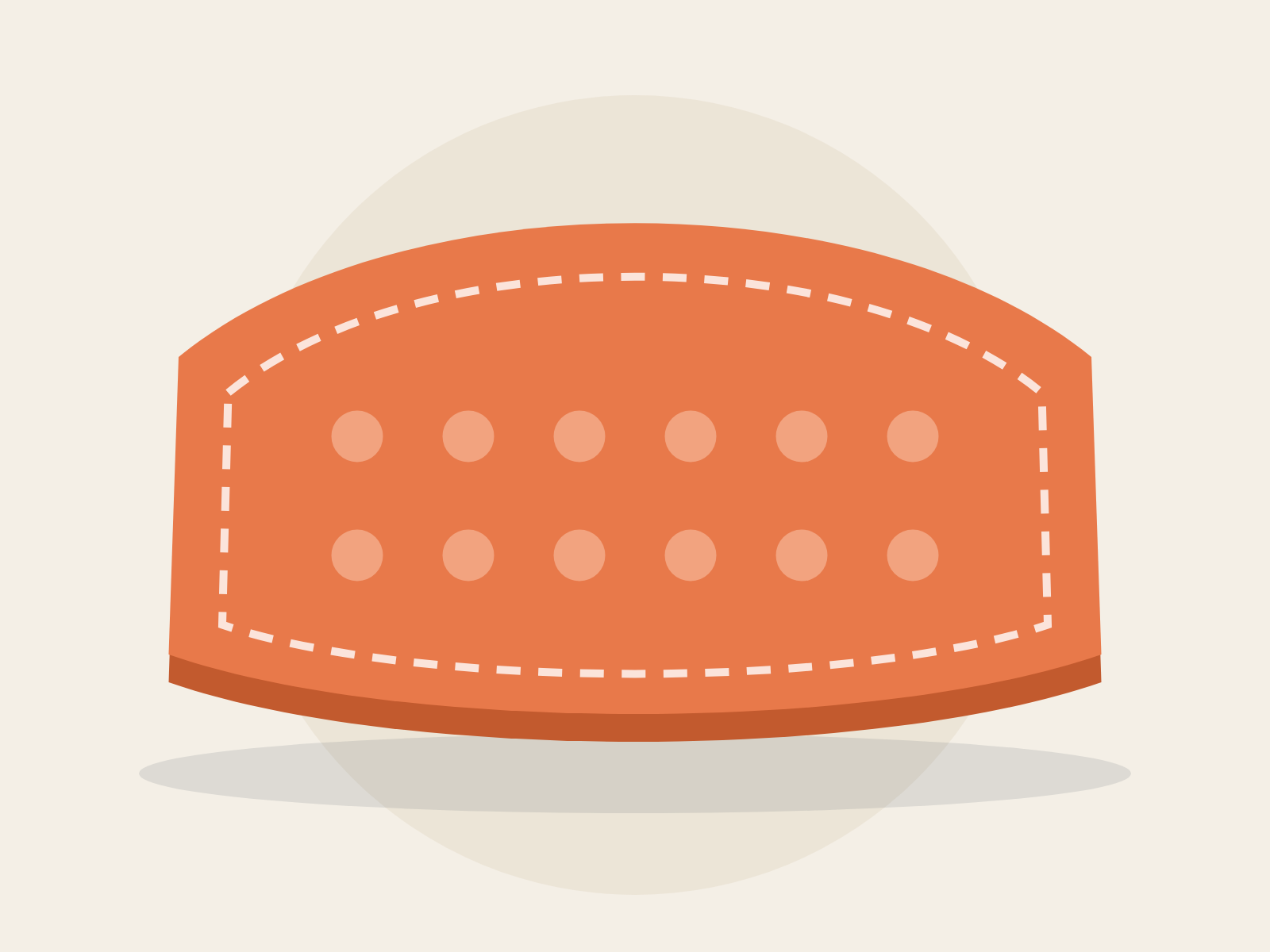
A shoe badge is a logo piece applied to the upper, tongue, side panel or heel. Soft PVC shoe badges are shaped in a mould by micro-injection: the logo is raised above the base and each colour is filled into its own area. The result is a flexible, three-dimensional piece with clean edges. We use a phthalate-free formula for these parts.
Where on the shoe?
- Tongue: the classic position, visible even when laced; usually rectangular, oval or following the logo’s contour.
- Side panel: a brand symbol or small logo on the outer side, introducing the brand from the side.
- Heel: raised text or a symbol that shows the brand from behind and adds a sporty detail.
- Toe and lacing area: some models use small ornaments or logos near the lace ends.
Why flexibility matters
A shoe bends and moves with every step, so the badge must move with it. Soft PVC is flexible and follows the shoe’s form; on curved surfaces like the tongue and side panel, a flexible badge looks more natural than a rigid part.
Shape and contour
There is wide freedom of shape: besides rectangles and circles, a contour cut following the logo’s outline can be worked. Mountains, waves, geometric patterns or brand symbols can be raised in relief, and badges can be fine and elegant or bold and large depending on the shoe’s design language.
Colour and contrast
Shoe colour palettes usually change with the collection, and one badge design can be produced in several colourways. Edge lines and contrasting details separate the badge from the shoe surface, while tone-on-tone badges give a quieter, premium look. Defining colours with a reference such as Pantone simplifies colour work.
Application
Shoe badges are usually sewn on during upper production. The stitching margin and application are planned at the design stage according to the shoe’s construction. Sharing a technical drawing or sample helps us set the right size and position.
Consistency across a collection
When a footwear brand uses the same badge language across models, the whole collection becomes recognisable: a tongue badge on sneakers, a side badge on outdoor models and a colourful heel piece on kids’ models can all come from one logo family. For bags and accessories sold with the shoes, the same design can be used as a rubber label.
Sample and approval
Seeing how the badge sits on the shoe makes decisions easier. Sharing the approved design with the upper team builds a common understanding of position and application. The sample process and check points are clarified per project at the quote stage.
Frequently asked questions
What size should a shoe badge be?
It depends on position and the size range of the shoe; a tongue badge and a heel piece need different sizes. We review the right size with your technical drawing.
Do different shoe sizes need different badges?
Often one size works across the range. For a very wide size range, two sizes for small and large shoes are an option.
How is the badge attached?
Usually sewn on at the upper stage. We discuss the suitable application for your shoe’s construction at the quote stage.
Conclusion
A soft PVC shoe badge shows the brand on the tongue, side panel and heel with a flexible, raised detail. See models on our soft PVC footwear parts and appliqués page and send your technical drawing or design through our quote form.