Where the brand sits is an important decision in shoe design. Some brands put a bold logo on the tongue, some prefer simple raised text on the heel, others highlight the brand on the side panel. Here we look at the areas where a brand can be placed on a shoe and how soft PVC heel tabs and tongue labels are used there.
Heel tab
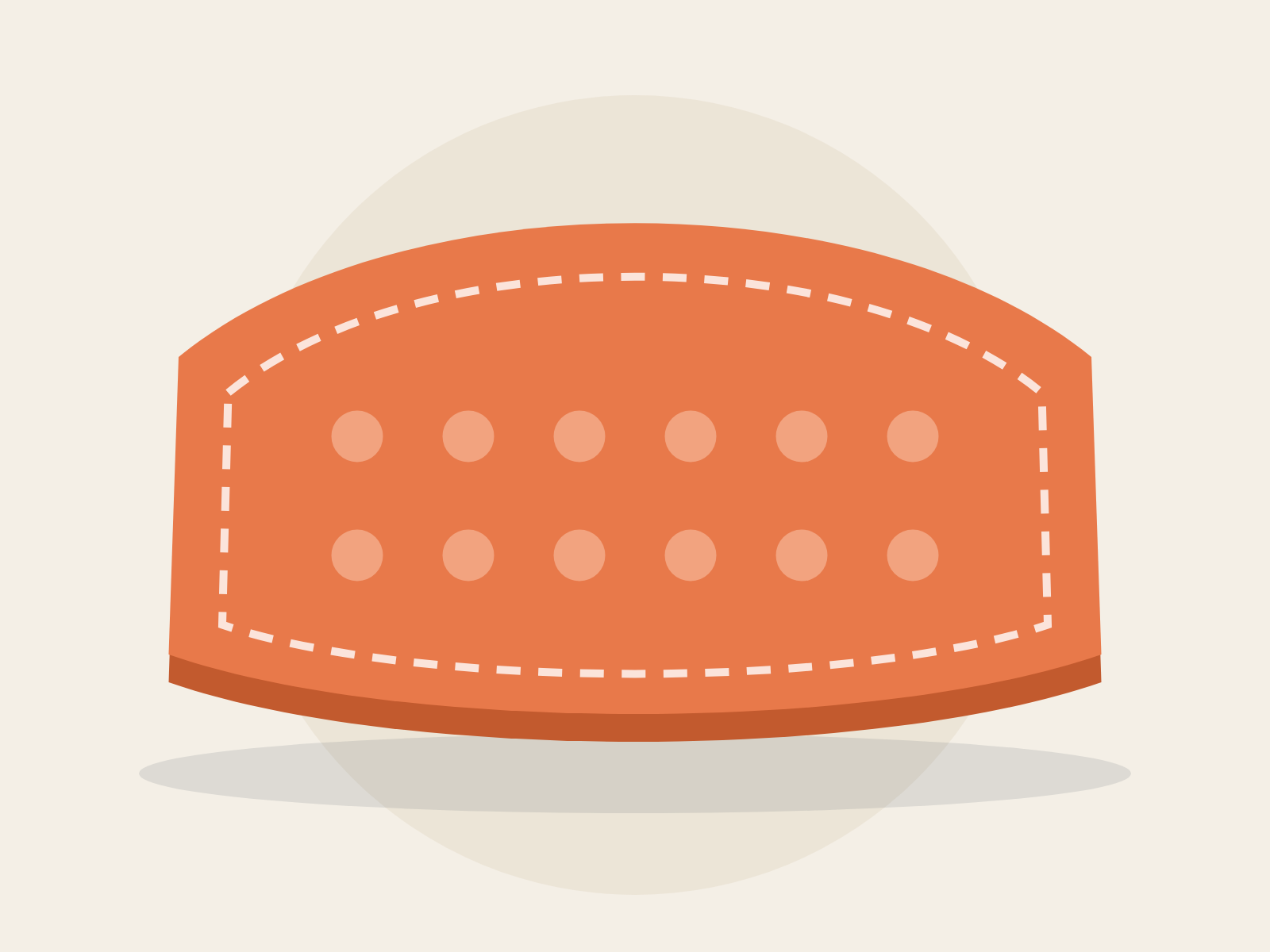
A heel tab is a logo piece applied to the back of the shoe. It shows the brand from behind and gives the shoe a sporty, finished look. Soft PVC heel tabs are flexible enough to follow the curved heel, with the logo or brand name raised. A heel tab can also be designed together with a pull loop that helps put the shoe on.
Tongue label
The tongue label sits at the top of the tongue, an area that stays visible even when laced, which makes it one of the most noticed brand spots. Soft PVC tongue labels can be rectangular, oval or contour cut, and the raised logo forms a distinct detail on the tongue.
Side panel
The outer side of the shoe can carry a brand symbol or small logo that introduces the brand from the side. Soft PVC parts here must be flexible enough to follow a surface that bends with each step.
Insole and inner side
Some brands also place the logo on the insole or inner side, where it shows when the shoe is put on or taken off. Size and thickness of inner parts should be planned with comfort in mind.
Which area for which model?
- Sneakers and trainers: tongue label and heel tab are often used together.
- Outdoor and trekking shoes: bold logos on the side panel and heel.
- Casual shoes: a simple tongue label or small heel detail.
- Kids’ shoes: colourful heel pieces and side figures.
- Boots: small, compact logos on the heel or side.
Design consistency
When tongue label, heel tab and side piece are used on one shoe, they should form a coherent design: the full logo on the tongue, only the brand name on the heel, the symbol on the side. A shared palette and relief language make the whole shoe look consistent.
Flexibility and fit
Each area of a shoe has its own curve and movement: the heel is fixed and curved, the tongue flexible and mobile, the side panel bends with walking. Soft PVC’s flexibility adapts to these surfaces, and part size and thickness are planned for each area. We use a phthalate-free formula for these parts.
Preparing for a quote
Share your technical drawing, part position, approximate size and colour preferences. If several parts are planned in one project, a single list makes design consistency easier to assess. For accessories sold with the shoes, see also our rubber labels page.
Seasonal updates
Footwear brands launch new models and colours every season. Keeping the heel and tongue label design fixed and updating colourways refreshes the collection while keeping recognition, and speeds up preparation because only colour work is needed on an approved design. Special editions can add a small detail such as a season name, series number or special symbol.
Frequently asked questions
Can heel tabs and tongue labels be produced in one project?
Yes, different parts from one design family can be planned together.
What shapes can a heel tab take?
Rectangular, triangular, contour cut or shaped specially to the heel form.
Conclusion
Heel tabs, tongue labels and side pieces let the brand be seen from every angle. See models on our soft PVC footwear parts and appliqués page and send your technical drawing through our quote form.